Best Time to Visit Tamarindo, Costa Rica
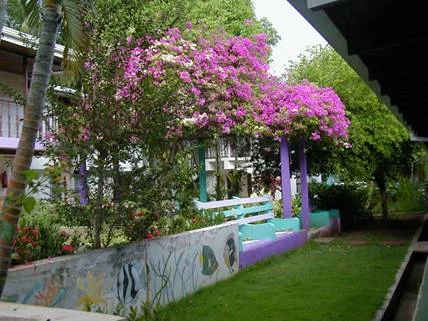
Most people booking a Tamarindo trip are hunting for one thing: no rain. That's understandable, but choosing travel dates based purely on rain avoidance is a mistake that leads to paying peak prices, fighting for space on a crowded beach, and missing out on the parts of Guanacaste that are genuinely better in green season. Both seasons here are worth knowing before you book.
Tamarindo's two seasons, explained
Costa Rica doesn't follow a four-season calendar. The whole country runs on two: dry season, locally called "verano" (summer), and green season, called "invierno" (winter). This can feel counterintuitive if you're arriving from the northern hemisphere, since green season peaks from May through October, which is summer back home. The names come from the agricultural calendar, not from temperature.
In Tamarindo and the rest of Guanacaste Province, the contrast between the two seasons is sharper than almost anywhere else in Costa Rica. Guanacaste sits in a tropical dry forest zone, which means its dry season is genuinely dry in a way that the Central Valley and Caribbean coast are not. The landscape during dry season can look almost semi-arid. By green season, those same hillsides turn vivid green and full of color.
Dry season (December to April)
This is what most visitors picture when they think "Costa Rica vacation." Clear blue skies from morning to afternoon, warm ocean water, and steady offshore breezes that keep things comfortable despite the heat. Daily highs sit between 30 and 35 degrees Celsius (86 to 95 Fahrenheit), and rain is rare enough that you can go days or weeks without seeing a significant cloud.
The beach is at its most accessible, the roads around town are in their best condition, and the estuary at the north end of the beach is lower and calmer, making it easier to cross for walks toward Playa Grande. December through March is peak season in the strictest sense: highest prices, most visitors, and the beach at its most crowded. April stays dry but starts to see prices ease as northern hemisphere visitors head home.
Green season (May to November)
Green season has a reputation problem. The word "rainy" makes people nervous, but Tamarindo's green season rainfall rarely looks like what visitors fear. Most days follow a predictable pattern: sunny and warm in the morning, clouds building in the afternoon, rain arriving in the late afternoon or evening, and skies clearing again by night. Full-day downpours happen, but they're not the default.
The landscape changes completely. The dry gold hills around town turn vivid green, flowering trees come alive, and the dry forest that lines the roads to Playa Grande and Playa Langosta fills back out with leaves and color. Temperatures stay warm, though a few degrees cooler than dry season. September and October are the wettest months; May, June, July, and August are much more moderate, and a lot of experienced Tamarindo visitors consider July and August the best months on the calendar for combining surf, value, and weather.
Month-by-month breakdown
| Month | Season | Surf | Crowds | Notes |
|---|---|---|---|---|
| December | Dry | Moderate | Peak | Holiday prices; some properties require 3-night minimum Dec 24 to Jan 2 |
| January | Dry | Moderate | Peak | Best visibility for snorkeling and dive trips |
| February | Dry | Moderate | Peak | Turtle nesting ends mid-Feb; kite season in full swing |
| March | Dry | Moderate | Moderate | Prices start dropping after spring break |
| April | Dry/Transition | Picking up | Low-Moderate | Excellent value; still mostly dry |
| May | Green | Good | Low | First rains arrive; hills start turning green |
| June | Green | Good-Strong | Low-Moderate | European half-term visitors arrive; great surf |
| July | Green | Strong | Moderate | North American summer travelers; peak green-season surf |
| August | Green | Strong | Moderate | Strong Pacific swells; still manageable rain pattern |
| September | Green | Variable | Very Low | Wettest month; absolute lowest prices |
| October | Green | Variable | Very Low | Turtle nesting begins mid-October; still wet |
| November | Transition | Moderate | Low | Rains taper off; prices still low; good value window |
Surfing by season
Tamarindo's beach break is forgiving by Guanacaste standards, with a sandy bottom and a range of conditions across tides. Surf schools in town teach beginners year-round, and at Cabinas Marielos you can arrange board rentals and lesson bookings through the front desk regardless of what month you arrive.
That said, the surf does shift with the seasons. During dry season, offshore winds in the morning create cleaner, more organized wave faces that experienced surfers tend to prefer. In green season, larger south and west swells from the Pacific build through June and peak in July and August, making those months ideal for intermediate and advanced surfers who want size and power. September can be inconsistent, with wind chop making conditions harder to predict day to day.
According to Pacific swell climate data tracked by NOAA, the primary Pacific swell windows off the Nicoya Peninsula tend to peak during northern hemisphere summer months, which matches what local surf guides in Tamarindo have long observed. Green season, particularly July and August, produces the biggest, most consistent swells.
For complete beginners, dry season's smaller, calmer waves are often the better learning environment. For anyone past the first-timer stage, July and August offer surf quality and room rates that make them, arguably, the best value months on the entire calendar.
The leatherback turtle factor
If watching leatherback turtles nest is on your list, your travel dates are mostly decided for you. Leatherback turtles, locally called "baulas," nest at Playa Grande, directly adjacent to Tamarindo, from mid-October through mid-February each year. Playa Grande falls inside Las Baulas Marine National Park, managed by Costa Rica's SINAC (National System of Conservation Areas). Park regulations around guided nesting tours change periodically based on conservation priorities, so it's worth checking current visitor policy before you arrive.
The practical upside of basing yourself in Tamarindo for nesting season is proximity. Most nesting activity happens at night, and being a short walk or drive from the park entrance cuts down the logistics considerably. Cabinas Marielos can point you toward current information about the park's visitor program and connect you with tour operators who work in the area.
Outside nesting season, Playa Grande remains a quieter, less developed beach right next door to Tamarindo, worth a visit for the contrast alone at any time of year.
Wildlife and local nature
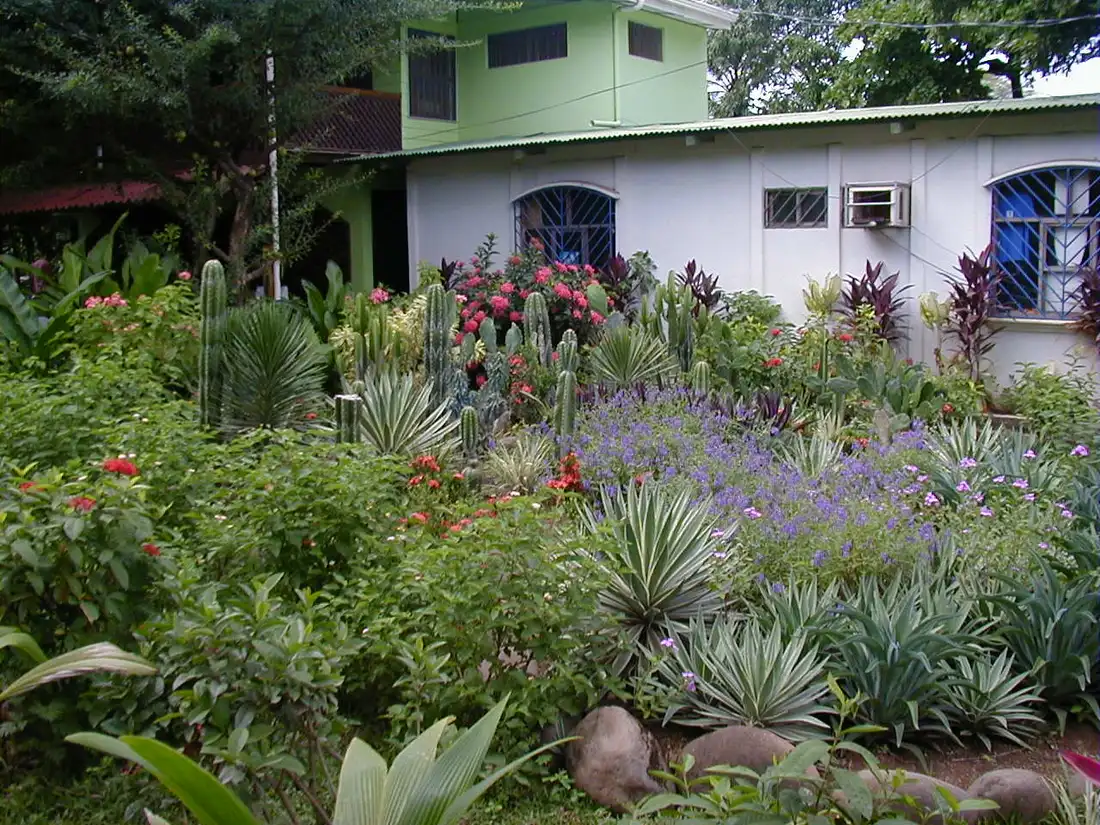
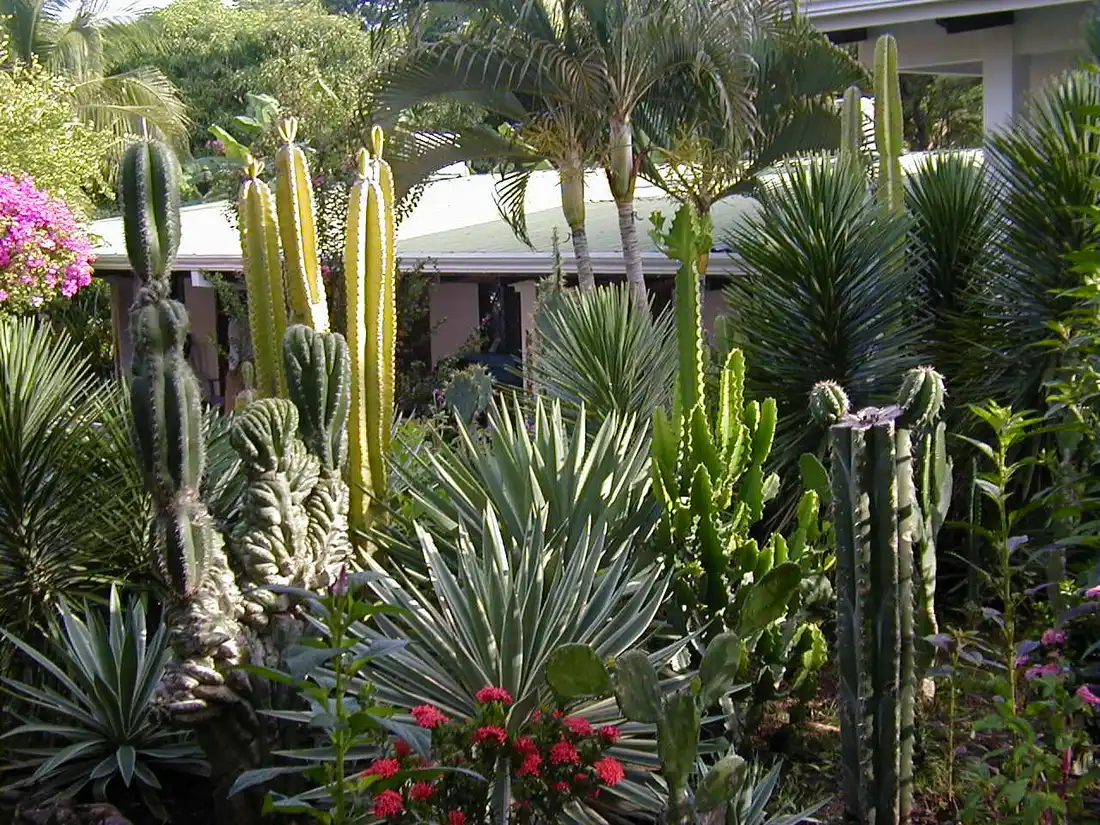
Green season's most underrated advantage is wildlife activity. Howler monkeys, white-faced capuchins, coatis, and iguanas are all more active when the forest is in full leaf, and the trees around Tamarindo provide easier spotting opportunities during the months when everything is in bloom. The howler monkeys you hear from the property in the early morning are loudest and most visible from April through November.
The dry forest ecosystem around Guanacaste is recognized by tropical ecologists at the University of Costa Rica as one of the most seasonally distinct tropical forest types in Central America. The visual transformation between seasons is striking enough that travelers who have visited Tamarindo in both seasons often describe them as completely different places. The pale gold hillsides that define the dry season landscape turn deeply, lushly green within weeks of the first rains. Flowering trees that looked dead in March are covered in color by June.
Bird watching also improves in green season, with migratory species arriving and resident species more active in the richer forest. If you're interested in combining beach time with nature walks in the dry forest reserve areas, the months between May and August tend to offer the best combination of accessible trails, active wildlife, and weather that cooperates for most of the day.
Crowds and prices
This is where green season makes its strongest case for budget-conscious travelers. Accommodation rates across Tamarindo, including at small family-run properties like Cabinas Marielos, drop noticeably outside dry season's peak. Stays that carry premium pricing in January or February are available at a real discount from May through October, often with better room availability and no minimum stay requirements (outside of specific holiday periods).
The beach itself changes character too. Tamarindo's main beach during peak season can be quite busy, with surf school groups, vendor activity, and visitors from the larger resort hotels filling the sand. In green season, particularly September and October, the beach returns to something closer to its natural state: open, unhurried, and easy to find a stretch to yourself.
Restaurants and shops in town also tend to be less rushed outside peak season, and you're more likely to interact with the people who actually live and work in Tamarindo year-round rather than a rotating staff brought in for high season. That's a different kind of trip, and for many visitors it's a better one.
What to pack for each season
Dry season packing
Sunscreen in generous quantities, and reef-safe formulas are worth seeking out given the marine environment. The Guanacaste sun is direct and strong between 10am and 3pm. Light layers for evenings when onshore breezes pick up, sandals that can handle sand and light water, and reef shoes if you plan to explore rocky coastline sections around the estuary.
Green season packing
Everything from the dry season list, plus a lightweight packable rain jacket or poncho for afternoon showers. The rain in Tamarindo tends to be warm and dries fast, but having something to throw on during a heavier burst keeps you comfortable. Quick-dry fabrics help considerably. Sandals with decent drainage grips are useful on wetter days when the paths in town get slippery.
Both seasons
If you're surfing, rash guards matter more than wetsuits. The Pacific off Tamarindo stays warm year-round, hovering between 27 and 30 degrees Celsius depending on the month. A quality rash guard protects against board friction and UV. Reef shoes are useful for rocky areas near the estuary regardless of season.
Who should visit when
Choose dry season if:
- You want guaranteed sunshine every morning
- You're bringing young kids who need predictable beach days
- You want the full social energy of a busy beach town
- Snorkeling or dive trip visibility is a priority
- You're planning a wedding or event where rain is not an option
Choose green season if:
- You're a surfer looking for size and swell
- Budget matters and you want real value
- Wildlife, birds, and the green landscape appeal to you
- You want a quieter, more local version of Tamarindo
- You want to combine beach time with turtle season (October)
The accommodation is the same, the beach is the same, and the food is the same in both seasons. What changes is the energy, the pricing, and the weather pattern. Neither season is wrong for a good Tamarindo trip. The right one depends on which trade-offs matter to you.
Frequently asked questions
What is green season like in Tamarindo day to day?
Most days follow a predictable pattern: sunny and warm in the morning, clouds building through midday, rain arriving in the late afternoon or evening, and clearing again overnight. Full-day rain is possible but not common except during September and October. Travelers who can schedule beach activities in the morning and leave afternoons flexible find green season very workable.
Is it safe to swim at Tamarindo Beach year-round?
Tamarindo's main beach is swimmable year-round for most visitors. Wave energy increases in green season and can create stronger currents at high tide. The flags posted by surf school operators indicate daily conditions, and following their guidance is always a good idea. The gentler, sandier section in front of the main beach area is generally the safest spot for swimming regardless of season. See our rooms and facilities page for notes on beach access from the property.
How far in advance should I book for Tamarindo?
For peak dry season months, December through March, booking two to three months ahead is sensible for a small family-run property. For green season stays, last-minute bookings are often available, though arriving with a confirmed reservation is always the smoother way to start a trip. See our reservations page for how the inquiry process works.